

BLOG POST
October 2026
By Evan Swalla, Ipsen Retrofits Manager
Introduction
When evaluating hot zone maintenance strategies, it is important to consider the long-term performance, reliability, and total cost of ownership associated with each option. In many cases, a new replacement assembly can provide significant advantages over a rebuild, including reduced contamination risk, a more predictable project scope, less downtime and maintenance, and a longer expected service life.
The following considerations should be taken into account when comparing a new hot zone assembly versus a rebuild:
Improved Reliability and Reduced Contamination Risk
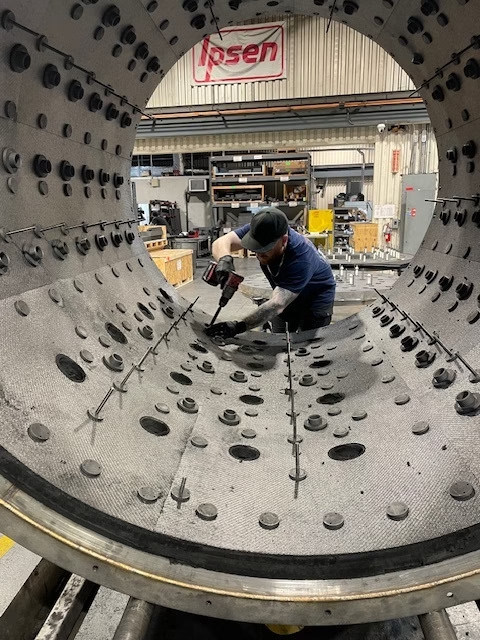
Rebuilding a hot zone requires sandblasting the existing frame and plenum components to remove contaminants and prepare them for inspection and repair. With double-walled plenum designs, blasting media can become trapped between the plenum walls and may later be released into the furnace during operation.
A new hot zone assembly uses all-new frame and plenum components, eliminating this potential contamination source and helping ensure a clean installation.
More Predictable Outcomes
The condition of an existing hot zone can vary significantly depending on age, operating conditions, and maintenance history. In some cases, inspection reveals wear or damage that makes a rebuild impractical. When this occurs, a replacement hot zone assembly is ultimately required, adding time and uncertainty to the process.
A new hot zone assembly provides a clear scope, predictable schedule, and known outcome from the start.
Longer Service Life
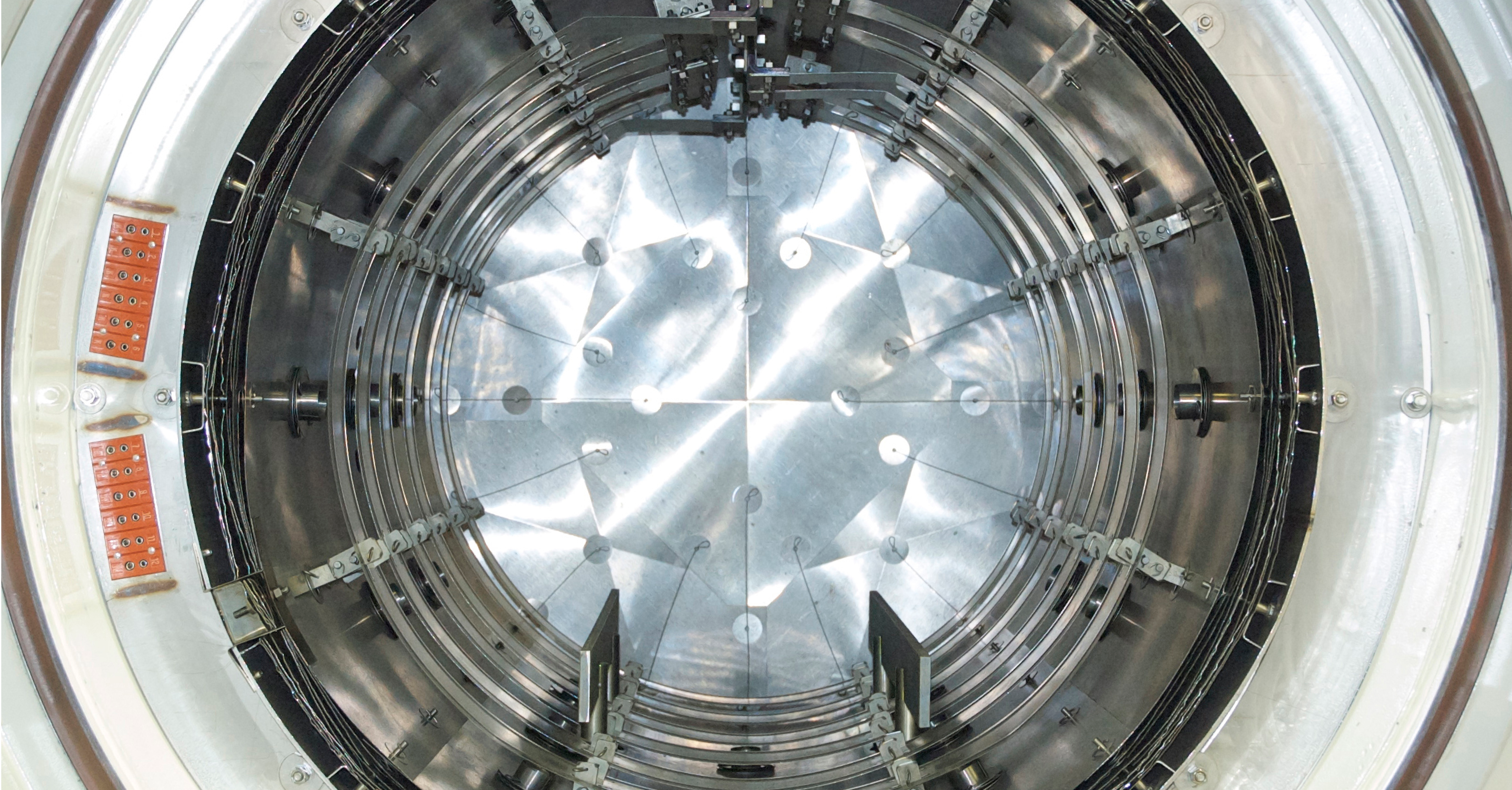
While a rebuild may offer some upfront savings, it reuses major structural components from the original hot zone. A new assembly is built entirely with new components, providing the longest expected service life and the best long-term value.
Less Furnace Downtime
For customers without a spare hot zone, a new assembly offers a significant advantage. Manufacturing can begin while the existing hot zone remains in service, allowing the furnace to continue running until the replacement is ready to install.
This helps minimize downtime and avoids the delays that can come with removing, inspecting, and evaluating an existing hot zone before determining the best path forward.
For questions about your furnace configuration or replacement options, please contact the Ipsen Retrofits Team: retrofits@ipsenusa.com.
 English
  German
  Chinese
  Japanese
  Italian
  French
  Spanish